
Insurance fraud is not just something that happens in dramatic courtroom shows. It happens on regular streets, in crowded parking lots, and at low speeds that barely trigger an airbag. The cost often lands on honest drivers who did nothing wrong, and on insurers who pass those losses into higher premiums.
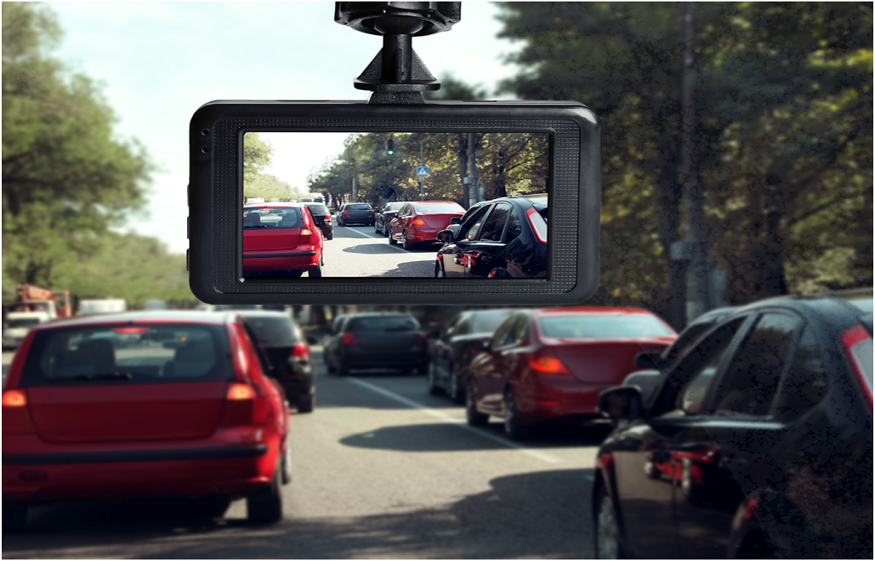
That is one reason more drivers and businesses are turning to the humble dash cam as part of their protection strategy. A small camera on the windshield cannot stop a scammer from trying, but it can make their story fall apart in seconds.
Common Types Of Insurance Fraud On The Road
There are several patterns that show up over and over again in fraudulent or exaggerated claims:
- Staged rear-end collisions where a driver suddenly slams the brakes for no reason
- Swoop and squat setups, where one car cuts in front of you while an accomplice blocks you in from another lane
- False lane change claims where the at-fault driver insists you drifted into them
- Exaggerated injury claims after minor contact or parking lot bumps
- Hit and run blame shifting, where a driver leaves the scene, then later claims they were the one hit
Without video, these situations quickly turn into conflicting stories. The scammer counts on confusion, lack of witnesses, and the fear that “it will just be easier to accept some blame.”
How Dash Cams Change The Evidence
A good dash cam does not argue. It just shows what happened.
Instead of relying on memory and stress-filled impressions, you can play back the few seconds before and after the impact. You see whether the brake lights came on early, whether a car cut in front of you with almost no space, or whether the other driver drifted into your lane while looking at their phone.
Video can reveal details that are easy to miss in the moment:
- The position of each vehicle in the lane
- Turn signals that were never used
- Sudden swerves that look intentional rather than natural
- Pedestrians or third vehicles that support your version of events
For insurers, this kind of footage is extremely useful. It helps them identify staged accidents, reject fraudulent claims, and protect legitimate policyholders from unfair payouts that can linger on their records.
Protecting Yourself From Blame And “Soft Fraud”
Not all fraud is an organized scam. Sometimes, a driver who caused a minor incident sees an opportunity to stretch the truth. A low-speed tap in a parking lot becomes a full story about neck pain, lost work, and dramatic damage that may have already existed before the contact.
Having a video changes the calculation. If your camera shows a slow roll, a light touch, or even no contact at all, it becomes much harder for someone to build an inflated claim around the event. That does not prevent genuine injury claims, but it does make opportunistic exaggeration riskier.
It also protects you if someone later tries to change their story. People sometimes admit fault calmly at the scene, then rethink their position after talking to friends, family, or a lawyer. When that happens, recorded footage provides an anchor for what really occurred.
Business, Fleets, And High Risk Routes
Insurance fraud risk increases when vehicles are on the road all day. Delivery vans, rideshare vehicles, taxis, and small business fleets spend many more hours in traffic than a typical commuter. That exposure creates more chances to run into bad actors.
For business owners, equipping vehicles with cameras is no longer just a nice extra. It is a way to control liability, protect drivers, and build a trackable history of incidents. A clear recording can prevent a single dishonest claim from turning into higher premiums across an entire fleet.
Working with a reliable wholesale dash cameras also lets shops and dealers offer camera systems as part of their packages. Fleet customers in particular benefit from standardised hardware and installation processes that make it easy to manage many vehicles at once.
Why Insurers Appreciate Dash Cam Footage
From the insurer’s perspective, fraud is expensive and surprisingly difficult to fight without strong evidence. Every staged crash, exaggerated injury, or false statement requires time, investigators, and sometimes legal action.
Dash cam footage shortens that process. When a claim includes clear video, adjusters can:
- Verify or refute reported speeds and directions
- See whether damage matches the described impact
- Identify patterns that resemble known fraud tactics
- Make faster, more accurate liability decisions
Some insurers are even beginning to view dash cams as a sign that a driver takes risk seriously, which can help build a more favorable profile over time.
A Simple Tool With Real Protection
Insurance fraud is not going away. As vehicles become more expensive and traffic grows heavier, the temptation for bad actors will only increase. Drivers who want to protect themselves need more than a hope that witnesses will step forward or that everyone will be honest.
A compact, well-positioned dash cam acts as a neutral witness every time you start the engine. It keeps scammers from owning the narrative, gives insurers the proof they need, and gives you confidence that if something does happen on the road, you will not have to rely on memory alone.