
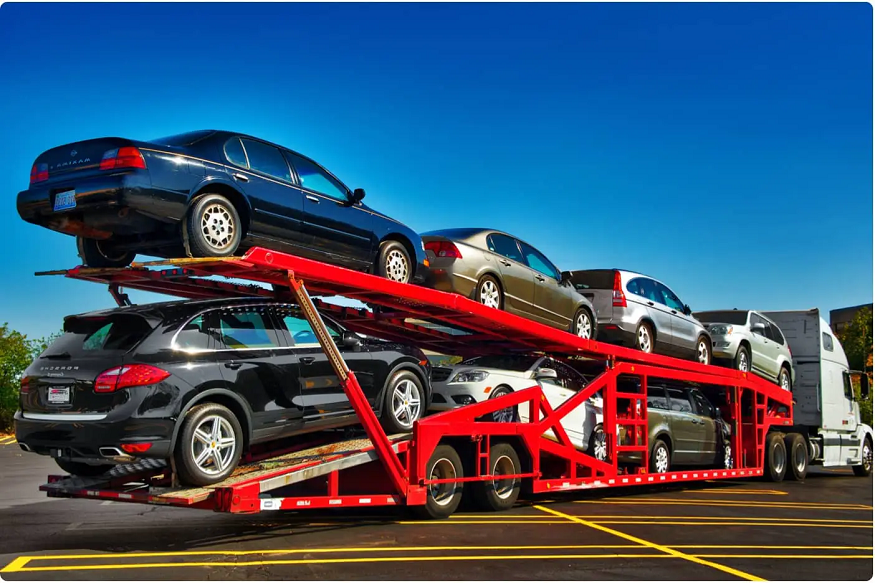
Vehicle Transport During a Military Posting in Canada What Service Members Need to Plan For
Military postings in Canada move fast. A posting message arrives, a report date gets set, and suddenly a service member and their family have weeks — sometimes less — to uproot from one base city and establish themselves in another. The vehicle question lands early in that process and carries more logistical weight than it might for a civilian move.
Understanding how vehicle transport fits into a military relocation, what the Canadian Armed Forces covers, and where the gaps sit helps service members make decisions without scrambling at the last minute.
How Military Relocations Differ from Civilian Moves
Civilian relocations are largely self-directed. A person chooses when to move, how to move, and what pace works for their situation. Military postings operate on institutional timelines. The report date is fixed, the destination is determined by the chain of command, and the planning window is often compressed in ways that leave little room for logistical missteps.
That compressed timeline changes the calculus for vehicle transport significantly. Booking lead time that feels comfortable in a civilian context — two to three weeks — can feel extremely tight when a posting message arrives with a six-week window and the family is simultaneously coordinating housing, school enrollment, and household goods shipment.
Getting vehicle transport organized in the first week after a posting message is received, rather than the last, is the single most effective thing a service member can do to reduce logistics stress on this particular item.
Read More: What Impacts a Cash Offer Most: Condition, Weight, Demand, and Location
What the Canadian Forces Relocation Program Covers
The Canadian Forces Relocation Program (CFRP), administered through a third-party relocation service provider, provides eligible members with a range of moving benefits. Vehicle shipment is included under certain conditions, but the specifics matter.
Generally, the program covers the cost of shipping one privately owned vehicle when the posting involves a move above a certain distance threshold. The coverage is subject to the terms of the current CFRP contract, which is updated periodically. Members should confirm current entitlements directly with their base orderly room or the relocation service provider assigned to their file rather than relying on secondhand information from colleagues whose postings may have occurred under different contract terms.
The key administrative requirement is initiating the relocation file early. Benefits cannot be accessed retroactively in most cases. If a member arranges and pays for vehicle transport before opening their file and following the proper authorization process, reimbursement is not guaranteed and may be denied entirely.
Using a Personal Carrier vs. the Relocation Provider
The CFRP relocation provider typically has preferred carrier arrangements for vehicle shipment. Using those arrangements simplifies the reimbursement process because billing flows directly through the file rather than requiring the member to pay out of pocket and submit receipts.
Some members prefer to arrange their own carrier independently, either because they have had positive experiences with a specific company or because the preferred vendor’s scheduling does not align with their timeline. This is generally permitted but requires pre-authorization and careful documentation. Confirm the process with your relocation coordinator before booking independently to ensure the expense will be covered.
For multi-vehicle households — common among families where both adults work and commute independently — the CFRP typically covers one vehicle. The second vehicle falls to the member’s own expense. Understanding this early allows the family to decide whether to ship both, drive one, or make other arrangements without the decision arriving as a surprise during an already busy period. Auto transport rates on the most common posting corridors are predictable enough that getting a quote early makes budgeting for an out-of-pocket second vehicle straightforward.
Read More: The Evolution of Off-Road Motorsports and Its Growing Popularity
Common Posting Corridors and What to Expect
Canadian Forces bases are distributed across the country in ways that create some of the longest domestic posting corridors in the world. Moves between Gagetown and Petawawa, Edmonton and Valcartier, Borden and Esquimalt, or Trenton and Cold Lake represent multi-province shipments that take ten days or more in transit.
On these longer routes, the vehicle typically cannot be timed to arrive the same day as the family. Planning for a gap of several days between the family’s arrival and the vehicle’s delivery is realistic and worth building into the transition plan. A rental vehicle or a borrowed car from someone already established at the new base covers that window without disrupting the broader move.
For postings to bases near major urban centres, terminal-to-terminal service is sometimes available as a lower-cost option where the member drops off and picks up at a nearby depot rather than using door-to-door delivery. This is worth asking about if flexibility exists on both ends of the move. Car shipping across Canada on military posting routes follows the same carrier network as civilian transport, and availability on most corridors is reliable with adequate lead time.
Overseas Postings and Cross-Border Moves
Postings to NORAD assignments, exchange programs, or other positions that require a move to the United States introduce cross-border transport requirements on top of the standard relocation process. The vehicle crosses an international border, which requires customs documentation, temporary import paperwork, and coordination between Canadian and US border agencies.
The CFRP has specific provisions for international postings, and the relocation provider should be the first point of contact for understanding what is covered and what documentation is required. Members who attempt to self-manage a cross-border vehicle shipment without going through the program risk both coverage issues and customs complications that can delay the vehicle significantly.
Members returning from an overseas posting and re-importing their vehicle into Canada face a similar set of requirements in reverse. Cross border car shipping for military moves involves the same border agencies and documentation requirements as civilian international shipments, and the process does not move faster simply because the owner is in uniform.
Preparing the Vehicle Before a Posting Move
The preparation checklist for a military posting vehicle shipment is the same as for any professional transport. Reduce fuel to a quarter tank, remove personal items from the interior, document the vehicle’s condition with photographs, and review the carrier’s condition report at pickup before signing.
One consideration specific to military households is the timing of maintenance. If the vehicle is due for an oil change, tire rotation, or other service near the time of the move, completing it before the shipment rather than after makes sense. The vehicle will be arriving in a new city where the owner does not yet have a trusted mechanic, and starting that relationship with a fresh service record is a small but practical advantage.
Ensure the vehicle’s registration and insurance are current at the time of pickup. Some posting moves involve a province change, which triggers re-registration requirements at the destination. Confirm with your insurer that coverage remains valid during the transit period and through the initial weeks in the new province before the re-registration is completed.
Making the Posting Transition Smoother
A military posting involves enough moving parts that any single item handled early and cleanly reduces the overall load on the family. Vehicle transport is one of the more tractable items on that list. The process is well-established, the coverage entitlements are defined, and the carriers who handle these routes regularly understand the posting timeline pressures that civilian moves do not always face.
Opening the relocation file promptly, confirming vehicle shipment entitlements, and booking transport as soon as the posting message is processed removes one significant item from an already full plate and lets the family focus on the parts of a posting move that require more personal attention.
Frequently Asked QuestionsDoes the CFRP cover vehicle shipping for all posting moves?
Coverage depends on posting distance, member eligibility, and the terms of the current CFRP contract. Confirm your specific entitlements with your base orderly room or the relocation service provider assigned to your file before making any transport arrangements.
What happens if the vehicle arrives before the family does?
Delivery can sometimes be coordinated with a neighbour, PMQ housing office, or another contact at the destination who can accept the vehicle and sign the delivery report. Confirm this arrangement with the carrier in advance and ensure the contact person has your information.
Can a service member ship a vehicle during an imposed restriction move?
Imposed restriction moves have different benefit structures than full household moves. Vehicle coverage under an IR posting varies and should be confirmed directly with the relocation provider rather than assumed to follow standard posting rules.