
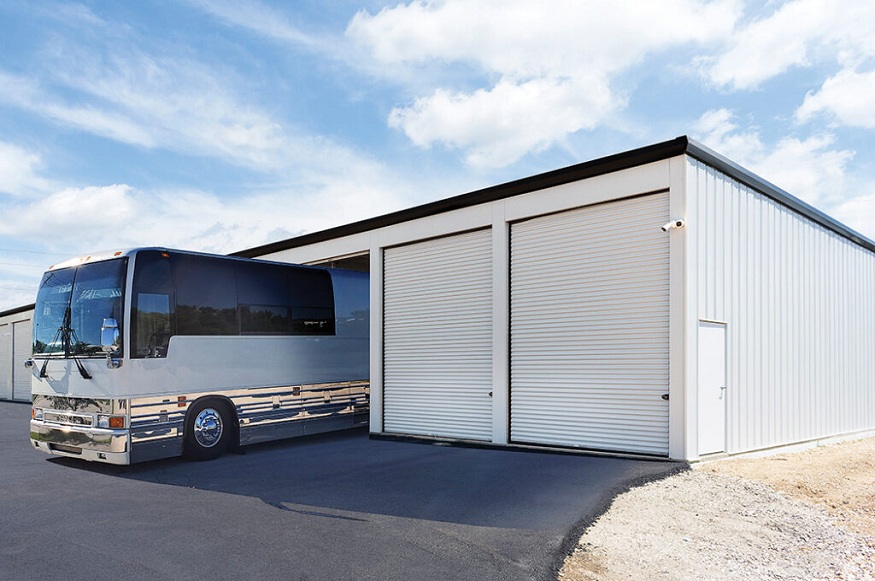
Rethinking RV Storage beyond Parking: What to Look For a Perfect RV Storage Facility in Calgary
There’s a quiet shift happening in how serious RV owners approach storage. It’s no longer a leftover decision made at the end of a trip—it’s becoming part of a broader ownership strategy. If you’re thinking like an investor rather than a casual user, where your RV rests between journeys matters more than you might expect.
1. Spatial Design That Works With the Vehicle, Not Against It
When you’re dealing with large, engineered machines, space isn’t a luxury—it’s functionality. Tight lots may technically “fit” your RV, but they rarely support its upkeep.In a professional RV Storage Facility, “Spatial Design” isn’t about how many units they can cram into a square acre; it’s about geometry of preservation and the functional clearance required to maintain a complex RV machine.
Why width matters: A 12-foot stall gives you operational breathing room. You can:
Read More: Vehicle Transport During a Military Posting in Canada What Service Members Need to Plan For
- Partially extend slide-outs for inspection
- Open compartments without obstruction
- Move safely around your unit without risk
Heat and material stress: Closely packed rigs trap heat. Over time, that accelerates seal fatigue and exterior wear—especially on sun-exposed sides.
For owners managing high-value rigs, this isn’t about convenience. It’s about preserving structural integrity through intentional spacing.
2. Ground Engineering: Where Physics Meets Longevity
Let’s talk about what your RV is actually sitting on—because that’s where many facilities quietly fail.
The freeze-thaw challenge: Calgary’s climate cycles can:
- Create deep tire ruts in soft ground
- Trap water that later freezes around components
- Stress axles and suspension unevenly
What to look for instead:
- High-compaction gravel or engineered mulch
- Slight elevation or natural slope for drainage
- No standing water zones
Think of this as foundational protection. A well-designed surface doesn’t just support weight—it actively prevents long-term mechanical damage.
3. Environmental Positioning: Wind, Air, and Exposure
Not all outdoor storage environments behave the same. Location strategy can quietly influence how your RV ages.
Read More: What Impacts a Cash Offer Most: Condition, Weight, Demand, and Location
Wind dynamics:
- Dense urban layouts create wind tunnels
- Open foothill spaces allow natural dissipation
- Reduced sway = less stress on leveling systems
Air quality space considerations:
- Industrial zones introduce salt residue and airborne contaminants
- Cleaner rural air reduces corrosion and surface breakdown
If you’re storing long-term, you’re essentially choosing a microclimate. The right one minimizes exposure risks without needing constant intervention.
4. Operational Flexibility and Human Oversight
This is where RV storage transitions from passive storage (just a place to park) to active asset management. That means that the value of a facility isn’t in the “concrete and fences” (the infrastructure), but in the intelligence and adaptability of the people running it (the service).
Flexible terms like month-to-month models align with real travel patterns. That way, you avoid paying for unused time or rigid commitments
The human layer:
- Professional operators often notice issues early
- Quick intervention (loose covers, tire pressure changes) prevents escalation
There’s a difference between automated access and attentive management. The latter adds a layer of intelligence that systems alone can’t replicate.
In essence, if you’re serious about protecting your RV as an asset, storage becomes a strategic decision—not a logistical afterthought. The right environment quietly extends lifespan, reduces maintenance surprises, and keeps your investment ready when opportunity calls.