
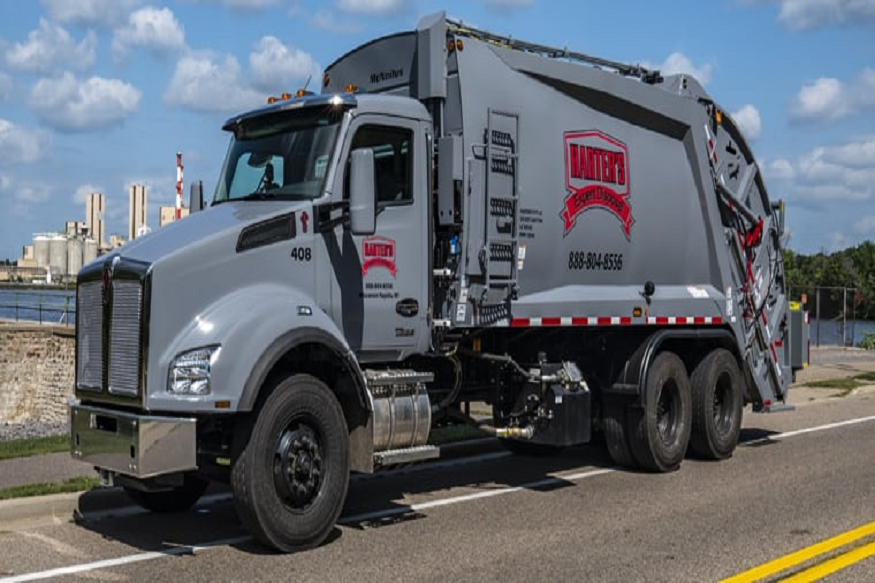
Proper maintenance of a rear loader garbage truck is essential for any waste management operation. Whether you manage a municipal fleet or a private sanitation company, keeping your rear loader in peak condition helps reduce downtime, extend service life, and lower operating costs. In this guide, we’ll walk through the best practices for maintaining a rear loader garbage truck, common issues to watch for, and how investing in quality equipment from reputable brands like Atlantic Heavy Duty makes maintenance easier and more reliable.
Why Regular Maintenance Matters
A rear loader garbage truck works hard — often in tough conditions, with heavy loads, frequent stops, and aggressive compaction cycles. Without routine care, the mechanical and hydraulic systems can wear quickly, leading to:
- Increased repair costs
- Frequent breakdowns
- Shortened vehicle lifespan
- Safety hazards for operators and workers
- Missed route schedules
A proactive maintenance plan ensures your rear loader operates efficiently and safely throughout its service life.
Daily Inspection Checklist
Daily inspections help catch small issues before they become serious problems. Before starting a shift, operators should perform these quick checks:
1. Visual Body Inspection
Walk around the rear loader and inspect the truck body for dents, cracks, rust, or loose panels. Pay special attention to:
- The hopper area
- Body welds
- Sidewalls
- Tailgate seals
Early detection of body wear prevents more expensive structural repairs later.
2. Hydraulic System Check
Hydraulics drive the compactor and packer blade in a rear loader. Inspect for:
- Fluid leaks
- Loose or damaged hoses
- Worn fittings
- Proper fluid levels
Choose high-quality hydraulic components and fluids recommended by the manufacturer. Brands like Atlantic Heavy Duty design systems that are both durable and serviceable.
3. Fluid Levels and Engine Checks
Ensure engine oil, coolant, brake fluid, and transmission fluid are at recommended levels. Low fluids can cause overheating, poor performance, and mechanical stress.
4. Tire and Brake Check
Check tire pressure, tread depth, and look for visible damage. Inspect brakes for wear and ensure parking brakes are functioning correctly. Your rear loader’s stopping ability is vital for crew safety.
Weekly Maintenance Tasks
In addition to the daily checks, weekly maintenance goes deeper:
1. Lubricate Moving Parts
Apply grease to:
- Packer blade pivot points
- Hydraulic cylinder pins
- Door hinges
- Tailgate latches
Proper lubrication reduces friction and prevents premature wear.
2. Clean the Hopper and Body Interior
Waste residue and debris buildup can cause corrosion and interfere with compactor movement. A weekly cleaning helps:
- Prevent odors
- Reduce rust
- Ensure smooth hydraulics
Pay special attention to corners and under the packer blade area where debris accumulates.
3. Inspect Electrical Components
Check lights, sensors, and control switches. Faulty wiring or burned-out bulbs can affect safe operation and communication with the driver.
Monthly Maintenance and Preventive Care
Monthly tasks help ensure long-term reliability:
1. Hydraulic Filter Replacement
Hydraulic filters keep contaminants out of your rear loader’s critical systems. Replace filters according to the manufacturer’s recommended schedule to maintain hydraulic health.
2. Check Compaction Performance
Monitor how your rear loader compresses waste. If you observe lower compaction ratios than normal, it could indicate:
- Worn packer blades
- Cylinder pressure loss
- Hydraulic inefficiency
Addressing these issues early prevents performance loss and reduces strain on other components.
3. Examine Structural Wear
A thorough monthly inspection should include:
- Sidewall corrosion
- Floor plate wear
- Weld integrity
- Tailgate seal condition
Heavy-duty trucks like Atlantic Heavy Duty rear loaders are designed with reinforced components, but even high-quality bodies need regular assessment.
Seasonal and Annual Maintenance
1. Cooling System Service
In hot weather or high-duty cycles, engines can overheat. Inspect and flush cooling systems annually, and replace worn hoses or radiator components.
2. Brake System Overhaul
Municipal routes often involve frequent braking. Have a certified technician inspect and service:
- Brake pads and rotors
- Brake lines and fittings
- Parking brake mechanisms
Well-maintained brakes are crucial for crew safety and compliance.
3. Full Hydraulic System Inspection
Annually, conduct a full inspection of all hydraulic components, including:
- Pumps
- Cylinders
- Hoses
- Valves
- Reservoirs
This helps anticipate failures before they cause service disruptions.
Common Issues and How to Address Them
Understanding common rear loader problems can help you respond quickly:
1. Leaking Hydraulics
Leaks reduce system pressure and compaction power. Tighten fittings, replace worn hoses, and ensure seals are intact.
2. Reduced Compaction Performance
If compaction weakens, consider:
- Cleaning debris from the packer
- Checking hydraulic pressures
- Replacing worn blades
3. Body Corrosion
Rust weakens structural components. Clean and treat rust spots early, and consider protective coatings for high-moisture environments.
4. Electrical Failures
Loose connections or water ingress can cause electrical issues. Seal exposed wiring and inspect connectors regularly.
The Role of Quality Parts and Service Support
Using genuine parts and trusting a reputable manufacturer makes maintenance more manageable. Atlantic Heavy Duty, known for robust rear loader garbage trucks, provides:
- Durable body components
- Engineered hydraulic solutions
- Easily replaceable service parts
- Manufacturer support resources
Investing in quality equipment from a trusted brand reduces the frequency of breakdowns and simplifies parts sourcing.
Training and Operator Responsibility
Maintenance isn’t only about mechanics — it also depends on properly trained operators. Key practices include:
- Training crews on daily inspection routines
- Educating operators on safe hydraulic operation
- Reporting issues immediately
- Documenting maintenance logs
Clear communication between drivers, mechanics, and fleet managers prevents small problems from becoming big repairs.
Final Thoughts
Proper maintenance of a rear loader garbage truck ensures safer routes, lower long-term costs, and maximum uptime. From daily inspections to seasonal overhauls, every step contributes to a reliable waste collection program.
Quality equipment from reputable manufacturers like Atlantic Heavy Duty supports effective maintenance with durable components and easier serviceability. Establishing a regular maintenance schedule, training staff thoroughly, and investing in genuine parts will keep your rear loader performing efficiently for years to come.