
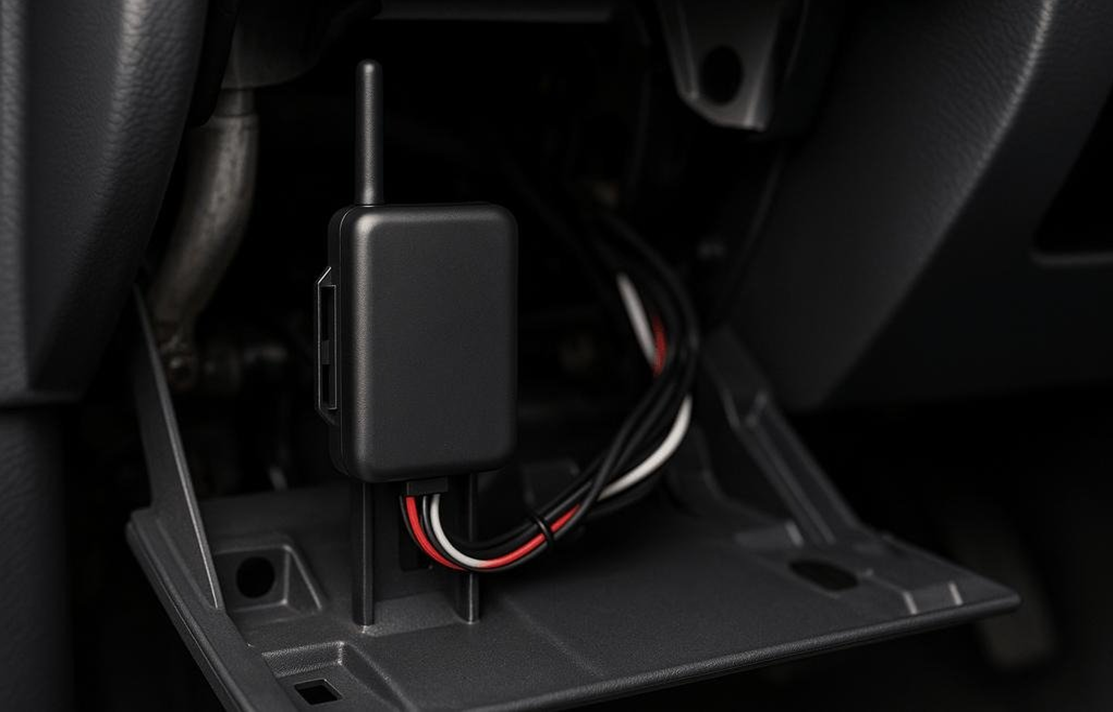
Tracking GPS systems use satellites, cellular networks, and software to determine and share the real-time location of vehicles, equipment, and other valuable assets. Businesses use these systems to monitor fleet movement, improve efficiency, increase security, and make informed operational decisions.
Whether you’re managing delivery vans, construction equipment, service vehicles, or commercial trucks, GPS tracking systems provide live location updates, route history, driver insights, and automated reports from a single dashboard.
Key Highlights
- GPS tracking systems use satellite signals to determine location.
- Cellular or wireless networks transmit location data to cloud-based software.
- Businesses can monitor vehicles and assets in real time.
- Features include geofencing, trip history, maintenance alerts, and driver behavior monitoring.
- Fleet managers use GPS tracking to improve efficiency, reduce fuel costs, and increase security.
What Is a Tracking GPS System?
A tracking GPS system is a technology solution that combines a GPS receiver, a communication network, and a software platform to monitor the location and movement of an asset.
Unlike a navigation app that only helps someone reach a destination, a GPS tracking system continuously records and shares location data with authorized users.
These systems are commonly installed in:
- Fleet vehicles
- Commercial trucks
- Delivery vans
- Construction equipment
- Trailers
- Utility vehicles
- Service vehicles
- Heavy machinery
Businesses can view all tracked assets from a centralized dashboard instead of checking each vehicle individually.
How Do Tracking GPS Systems Work?
A GPS tracking system follows a straightforward process involving four key steps.
Step 1: GPS Satellites Determine the Location
The Global Positioning System consists of dozens of satellites orbiting Earth.
A GPS tracking device receives signals from multiple satellites simultaneously. By measuring the time those signals take to reach the device, it calculates its exact position using trilateration.
The device determines:
- Latitude
- Longitud
- Speed
- Direction
- Time
Modern receivers typically use signals from several satellites simultaneously for better accuracy.
Step 2: The Device Collects Vehicle Data
The GPS tracker gathers more than location.
Many systems also record:
- Vehicle speed
- Engine status
- Ignition events
- Idle time
- Mileage
- Trip duration
- Stop locations
Advanced commercial tracking devices can integrate with vehicle diagnostics through OBD-II or CAN bus systems.
Step 3: Data Is Sent Through a Communication Network
Once the device collects information, it transmits the data.
Most commercial GPS tracking systems use:
- Cellular networks
- LTE
- 4G
- 5G
- Satellite communication for remote areas
- IoT communication technologies
The data is securely transferred to cloud-based servers.
Step 4: Fleet Managers View Everything on a Dashboard
The software platform converts raw GPS data into useful information.
Users can see:
- Live vehicle locations
- Route history
- Driver activity
- Vehicle utilization
- Alerts
- Reports
Instead of manually tracking operations, businesses receive instant visibility across their fleet.
Main Components of a GPS Tracking System
Every tracking GPS system contains three essential components.
| Component | Purpose |
| GPS Receiver | Determines the asset’s location |
| Communication Module | Sends data through cellular or satellite networks |
| Cloud Software | Displays maps, reports, and alerts |
Some systems also include sensors for temperature monitoring, fuel tracking, or cargo security.
Types of GPS Tracking Systems
Different businesses require different tracking solutions.
Real-Time GPS Tracking
Real-time tracking continuously updates vehicle locations.
Best for:
- Delivery fleets
- Service businesses
- Transportation companies
Passive GPS Tracking
Passive systems store location information on the device.
The data is downloaded later rather than transmitted live.
Best for:
- Mileage records
- Trip documentation
- Historical analysis
Asset GPS Tracking
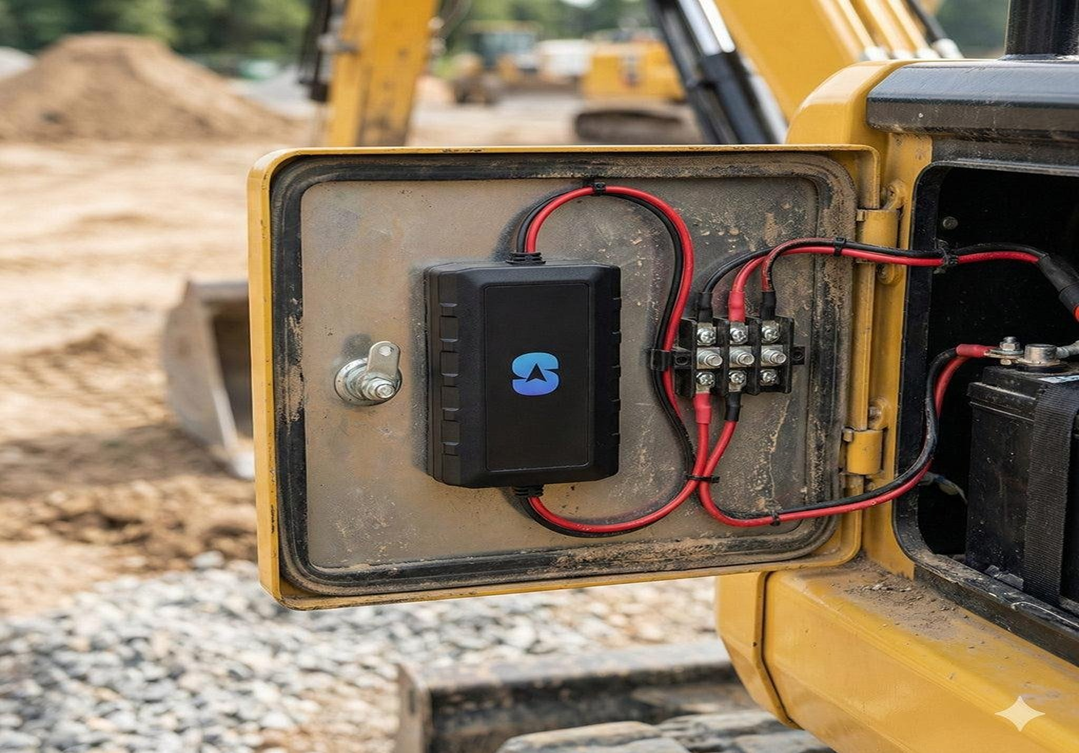
Asset tracking protects valuable equipment.
Common examples include:
- Trailers
- Construction machinery
- Generators
- Containers
Key Features of Tracking GPS Systems
Modern GPS tracking systems provide much more than location updates.
Live Vehicle Tracking
Managers can instantly locate vehicles on an interactive map.
Read More: What Should a Modern Car Club Offer? The Fast Lane Drive Approach
This improves dispatch decisions and customer communication.
Route History
The system records previous trips.
Businesses can review:
- Travel routes
- Stop locations
- Travel times
Geofencing
Geofencing creates virtual boundaries.
The system sends alerts when vehicles:
- Enter a location
- Leave a location
- Operate outside approved areas
Driver Behavior Monitoring
Many systems monitor driving habits.
Examples include:
- Harsh braking
- Rapid acceleration
- Speeding
- Excessive idling
These insights help improve safety.
Maintenance Reminders
Tracking software can generate maintenance alerts based on:
- Mileage
- Engine hours
- Service schedules
Preventive maintenance helps reduce unexpected downtime.
How Accurate Are GPS Tracking Systems?
Modern GPS tracking systems are highly accurate.
Typical commercial systems provide location accuracy within a few meters under normal conditions.
Accuracy depends on several factors.
| Factor | Impact |
| Clear sky visibility | Improves accuracy |
| Urban buildings | May reduce accuracy |
| Tunnels | Temporary signal loss |
| Weather | Usually minimal impact |
| Device quality | Better hardware improves results |
Many systems quickly regain accurate positioning once the signal becomes clear again.
Benefits of Tracking GPS Systems for Businesses
GPS tracking offers measurable operational advantages.
Improved Fleet Visibility
Managers always know where vehicles are located.
This reduces unnecessary phone calls between drivers and dispatchers.
Better Route Optimization
Historical route data helps businesses identify:
- Faster routes
- Less congestion
- Reduced travel time
Lower Fuel Costs
Fuel savings often come from reducing:
- Excessive idling
- Unauthorized trips
- Inefficient routing
Increased Driver Safety
Driver behavior reports encourage safer driving habits.
Businesses can identify coaching opportunities before risky behavior becomes costly.
Theft Prevention
GPS tracking helps businesses respond quickly when vehicles or equipment move unexpectedly.
Location alerts improve recovery efforts.
Better Customer Service
Accurate arrival estimates improve communication with customers waiting for deliveries or service appointments.
Industries That Use GPS Tracking Systems
Many industries rely on GPS tracking every day.
- Delivery services
- Transportation
- Construction
- Utility companies
- Field service businesses
- Agriculture
Each industry benefits from greater visibility into mobile operations.
GPS Tracking vs GPS Navigation
These technologies are related but serve different purposes.
| Feature | GPS Tracking | GPS Navigation |
| Live monitoring | Yes | No |
| Fleet dashboard | Yes | No |
| Trip history | Yes | Limited |
| Driver reports | Yes | No |
| Turn-by-turn directions | Sometimes | Yes |
Navigation helps drivers reach destinations.
Tracking helps businesses manage operations.
Common Questions About Tracking GPS Systems
Do GPS tracking systems work without cellular service?
The GPS receiver can still determine location using satellites.
However, real-time updates usually require a communication network.
Some devices store data until connectivity returns.
Can GPS tracking systems monitor multiple vehicles?
Yes.
Fleet management software is designed to monitor dozens, hundreds, or even thousands of vehicles from one dashboard.
Are GPS tracking systems difficult to install?
Installation depends on the device.
Common options include:
- OBD plug-in devices
- Hardwired installations
- Battery-powered asset trackers
Commercial fleets often choose professional installation for permanent tracking solutions.
Can GPS tracking systems help reduce operating costs?
Many businesses use tracking data to improve routing, reduce idle time, schedule maintenance more effectively, and increase vehicle utilization.
The Future of Tracking GPS Systems
GPS tracking technology continues to evolve.
Emerging capabilities include:
- AI-powered route recommendations
- Predictive maintenance
- Electric vehicle fleet monitoring
- Advanced driver safety analytics
- IoT sensor integration
- Automated compliance reporting
These innovations help businesses move beyond simple location tracking toward smarter fleet management.
Frequently Asked Questions
What is a tracking GPS system?
A tracking GPS system is a solution that uses satellites, communication networks, and cloud software to monitor the real-time location and movement of vehicles or assets.
How do GPS tracking systems determine location?
The device receives signals from multiple GPS satellites and calculates its position using trilateration.
Are GPS tracking systems accurate?
Most commercial systems provide location accuracy within a few meters under normal operating conditions.
What businesses benefit most from GPS tracking?
Transportation companies, delivery services, construction businesses, utility providers, and field service organizations commonly use GPS tracking systems.
What is the difference between GPS tracking and navigation?
Navigation helps drivers reach destinations, while GPS tracking helps businesses monitor vehicles, analyze trips, and manage fleet operations.
Conclusion
Tracking GPS systems have become an essential tool for businesses that depend on vehicles, equipment, or mobile teams. By combining satellite positioning, wireless communication, and cloud-based software, these systems provide real-time visibility into fleet operations, improve efficiency, support safer driving, and help businesses make data-driven decisions.
Read More: Keeping Your Car Showroom-Clean All Year Round
For organizations looking to improve fleet visibility and operational performance, Tracker Systems provides GPS tracking solutions designed to help businesses monitor vehicles and assets with greater confidence and control.